



Never before have I seen a globally reputable arms manufacturer – one of Germany’s most valuable companies – face such fierce criticism in such a short space of time. Criticism that is now even being voiced publicly at the highest levels of government.
The trigger for the wave of negative reactions – which can now only be described as a full-blown shitstorm against Rheinmetall – was merely a few sentences spoken by the CEO Armin Papperger, which were quoted in an article in the US magazine The Atlantic.
The use of simple FPV drones against heavy armoured vehicles on the battlefield in Ukraine was described as nothing more than “playing with Lego”, and references were made to a lack of innovation and a comparison to housewives.
These are extremely critical remarks that constitute an open affront to the Ukrainian drone industry in particular. A verbal gaffe that is in no way excusable. But above all, they are unusual words that have made me very suspicious.
After all, Papperger – whatever one may think of him on a personal level – has so far presented himself solely as a friend of Ukraine, and Rheinmetall, as a company, is one of the most important arms suppliers to a country that has been defending itself courageously and resolutely against a Russian aggressor for more than four years now.
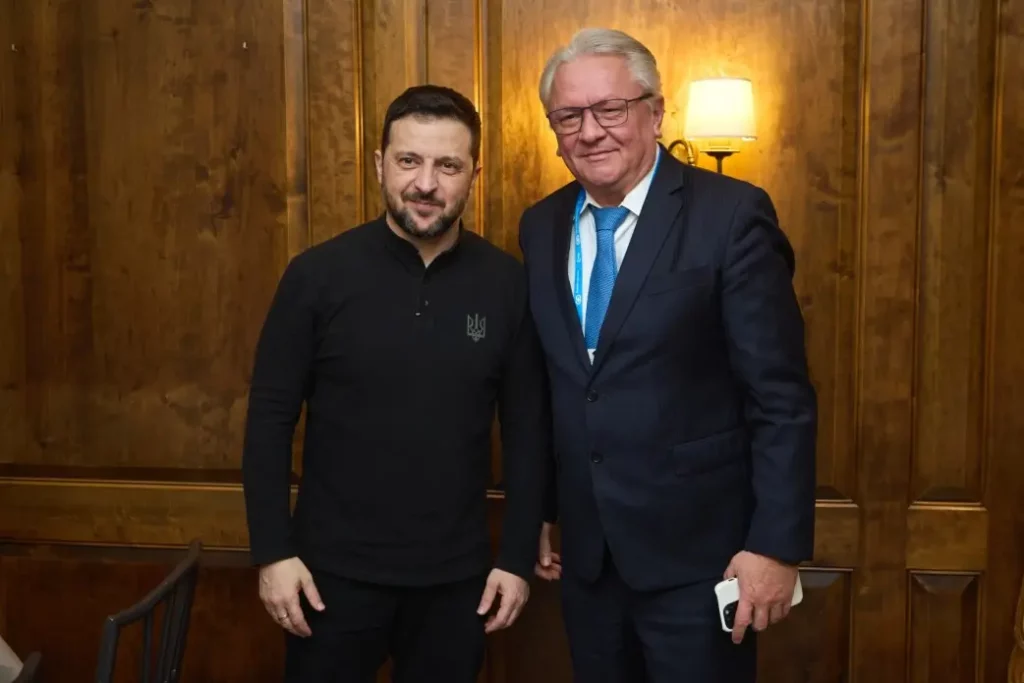
In light of this, I contacted Rheinmetall on Saturday to inquire further and ask for an explanation.
Whilst the Düsseldorf-based defence giant initially sought to limit the damage with a public statement on X (formerly known as Twitter), I received an offer this morning to speak on the phone at short notice with Rheinmetall’s Head of Press and Public Relations.
I’m not allowed to quote much from our conversation, which lasted about a quarter of an hour, but it became clear to me fairly quickly that there are always two sides to every story. The company also had many words of praise for Ukraine’s achievements. They said they had the utmost respect for the enormous efforts of the Ukrainian people, and that their innovative spirit is an inspiration to Rheinmetall.
After our conversation, I am left with the impression that Armin Papperger’s statements in the article were, at least in part, quoted without sufficient context.
Especially in the area of small drones (Class 1), Ukraine has achieved a great deal, according to my conversation partner. For years, the Ukrainian army has been deploying them by the millions against Russian targets with great success, and in doing so, they are now responsible for a large proportion of Russian casualties on the battlefield. That is something also Papperger is aware of.
It is not without reason that experienced Ukrainian soldiers are set to train Bundeswehr personnel in the future on how to deal with the risks posed by drones, as well as in other areas relating to drones, whilst various European companies, such as the German firm Quantum Systems, are now even producing Ukrainian drone technology under licence abroad through joint ventures (QFI).
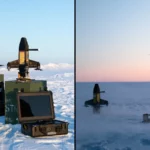
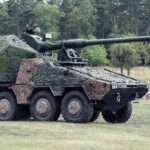
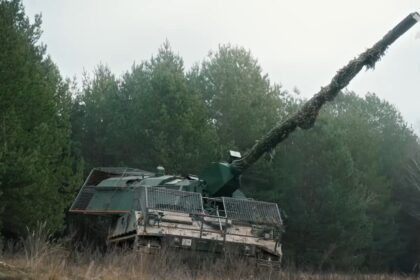
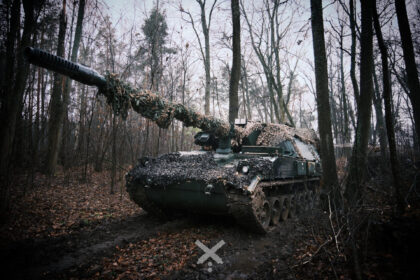
However, this is not Rheinmetall’s area of expertise. Until now, the company has primarily supported the Armed Forces of Ukraine by supplying a wide range of ammunition, armoured vehicles, logistics vehicles, reconnaissance systems and air defence systems.
This assistance is barely mentioned in the article in The Atlantic, whilst Papperger – at least this is how it appears – had to comment almost exclusively on something that is only marginally related to Rheinmetall and the company’s support for Ukraine.
That is precisely why it seems to me that the author already had a clear objective in mind even before the interview with Papperger. He is, of course, entitled to do so, though it must certainly have been quite a nerve-wracking experience for the CEO. Another possible explanation for the rather unfortunate choice of words.
Nevertheless, his remarks are likely to remain in the minds of many Ukrainians and their supporters for the foreseeable future. Given the daily hardships, the sleepless nights and the heavy losses they have suffered among their friends and family members, one cannot blame them for this.
However, I doubt that this will have a major impact on the German defence contractor’s future business in Ukraine. Rheinmetall is far too important to Ukraine’s defence for that.
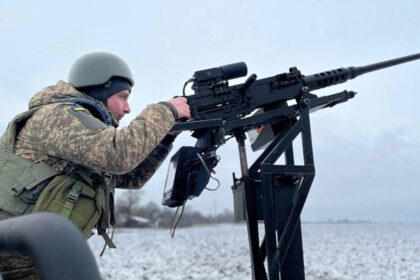
Among other things, the company is one of the main suppliers of 155mm artillery ammunition, the sole supplier of 35mm ammunition for the German and US-supplied Gepard and Cheetah SPAAGs, as well as for the Skynex fire units, which remain essential in Ukraine for defending cities and critical infrastructure against Russian drone attacks.
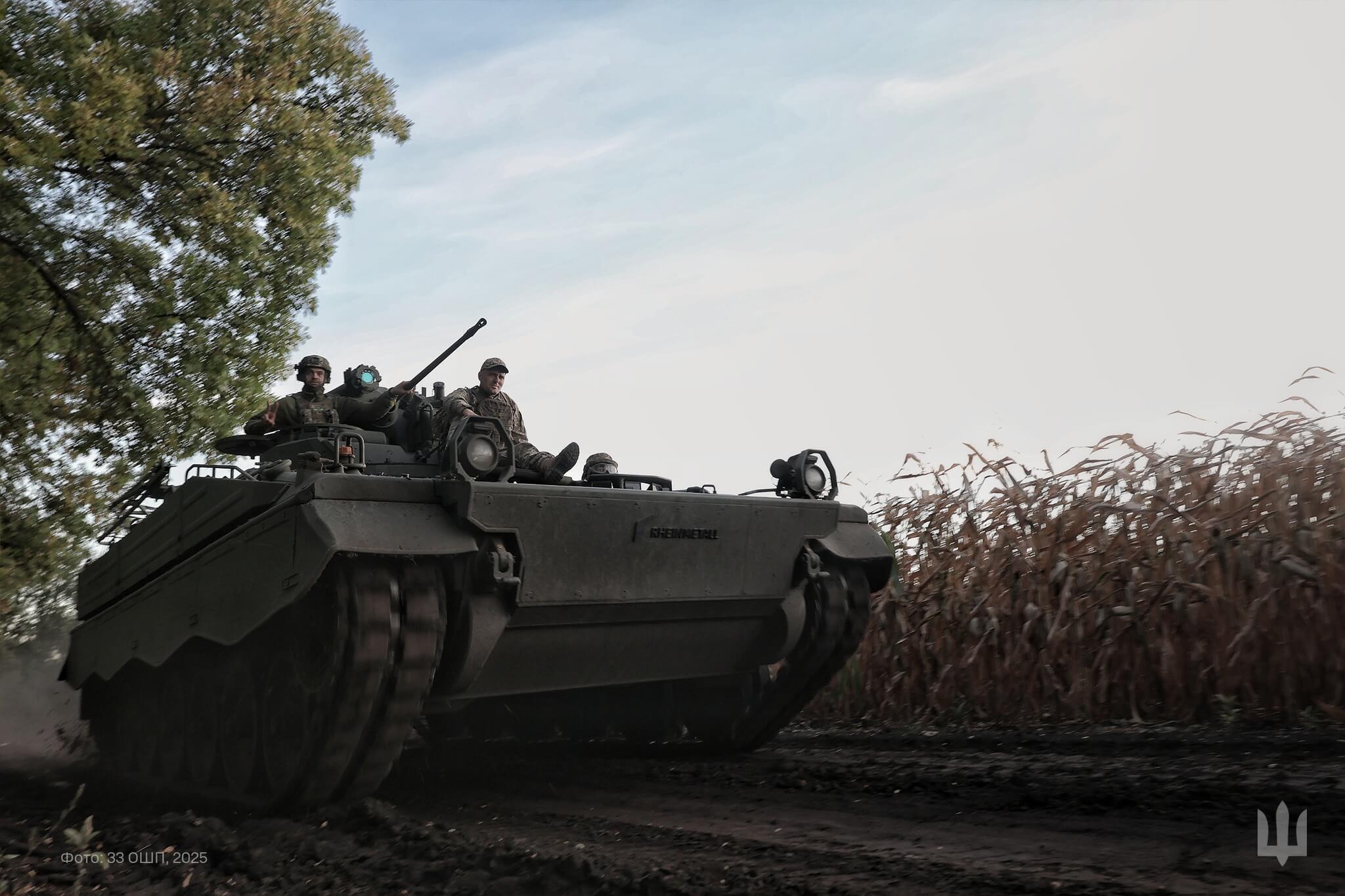
Rheinmetall also plays a key role in the supply, maintenance and repair of Western vehicles such as the Marder IFV, Leopard 1 MBT and hundreds of HX trucks.
If you liked this post, consider following me on X, Bluesky, Telegram or YouTube. If you like, you can also leave me a tip on Ko-fi to support my work.